


The convenience of a smart home, where lights dim on command and thermostats learn your schedule, comes with a hidden cost: your privacy. Every interaction creates data, offering a window into your private life for device manufacturers and potentially malicious actors. Simply using a “strong password” is no longer enough to protect your personal space.
This guide moves beyond generic advice to provide seven expert-level strategies to secure your home. It’s about making conscious, informed decisions to build a digital fortress around your personal life. By implementing these principles, you can transform your home from a data collection hub into a private, secure sanctuary without sacrificing the benefits of modern technology.
The Data Dilemma: Understanding the True Cost of Convenience
Smart device manufacturers are often in the business of data. The voice commands, usage patterns, and routines they collect are used to build detailed user profiles for targeted advertising and service refinement. This continuous analysis of your habits is what fuels the convenience you enjoy.
Beyond corporate data harvesting, a poorly secured smart home is also a prime target for hackers. They can exploit vulnerabilities to access your Wi-Fi network, listen through smart speakers, or control cameras and locks. The threat grows with every new device, making active management of your home’s digital footprint essential for your security and peace of mind.
Actionable Strategies for a More Private Smart Home
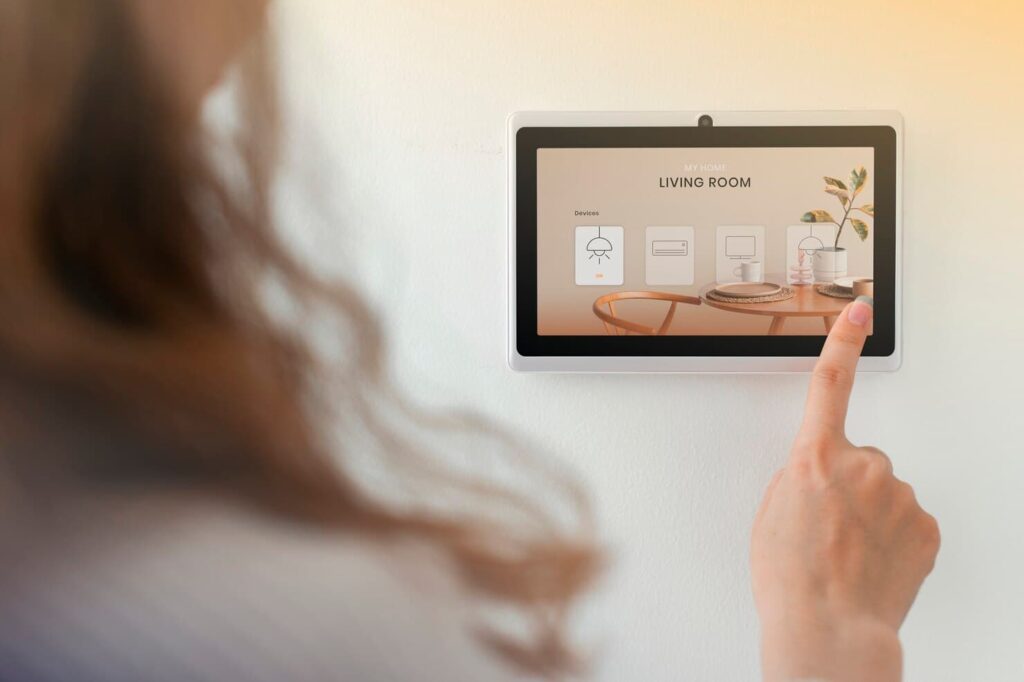
A multi-layered approach is the most effective way to secure your digital life. The following strategies will significantly reduce your privacy risks.
The Network is Your Fortress: Master Network Segmentation
Your Wi-Fi router is the gateway to all your devices. Create a separate “guest” network exclusively for your IoT gadgets. This technique, known as network segmentation, isolates them. If one device is compromised, the breach is contained to that secondary network, protecting your primary devices like laptops and phones where sensitive data resides.
The Mute Button is Your Friend: Practice Intentional Listening
Smart speakers are designed to be “always listening.” While they aren’t supposed to record until activated, bugs and false activations happen. Get into the habit of physically muting the microphone on your speakers during sensitive conversations or when they are not needed. This physical act provides a layer of security that no software setting can guarantee.
Conduct a “Data Audit”: Review and Delete Your History
Amazon and Google allow you to review and delete your history of voice commands. Schedule a recurring monthly “data audit” to log into your account and delete these recordings. This purges your data from their servers and reveals how often devices activate by mistake. Better yet, enable the auto-delete feature to have this data removed automatically.
Go Local: Prioritize Devices That Don’t Rely on the Cloud
The most private smart home operates locally. When buying new devices, look for those supporting local control protocols like Zigbee or Z-Wave, paired with a local hub like Home Assistant.
- Increased Speed: Local control is faster.
- Enhanced Reliability: Your home works even if the internet is down.
- Superior Privacy: Your personal data never leaves your house.
Vet the Brand, Not Just the Gadget
Before you buy, research the manufacturer’s privacy policy. A reputable brand will be transparent about what data is collected and how it’s used. Avoid obscure brands with unclear policies, as their business model may rely on selling your data.
De-link and De-clutter Your Digital Connections
Regularly review the third-party apps and services connected to your smart home accounts (Amazon, Google, Apple). Each connection is a potential data-sharing path. If you no longer use a service, revoke its access to minimize your exposure.
Use Smart Plugs as a “Hard-Off” Switch
For devices that don’t need to be on 24/7, connect them to a smart plug. You can then schedule the power to be cut completely during the night or when you’re away. This is a foolproof way to ensure a device is neither listening nor collecting data.
Building a Thoughtful Home
Privacy in the smart home era is an active practice, not a passive state. By implementing these strategies, you shift from being a consumer of technology to its conscious architect. You can enjoy the benefits of a connected home without sacrificing your right to a private life. The smartest home isn’t the one with the most gadgets, but the one where the owner remains in complete control.